
As the aroma of spices wafts through my kitchen, I am instantly transported to a bustling street market in Thailand, where vibrant flavors dance on every corner. Today, I’m excited to share my take on a delightful Thai Coconut Shrimp Curry that’s not only quick to whip up but also a surefire crowd-pleaser. This recipe brings the warmth and comfort of homemade food, all packed into a creamy, tangy sauce that's sure to impress even the pickiest eaters at your table. With just 30 minutes from start to finish, you'll find yourself embracing a world of exotic flavors without the hassle of complicated cooking techniques. Curious about how to bring this tropical delight to your own dining room? Let’s dive into the flavors of Thailand!
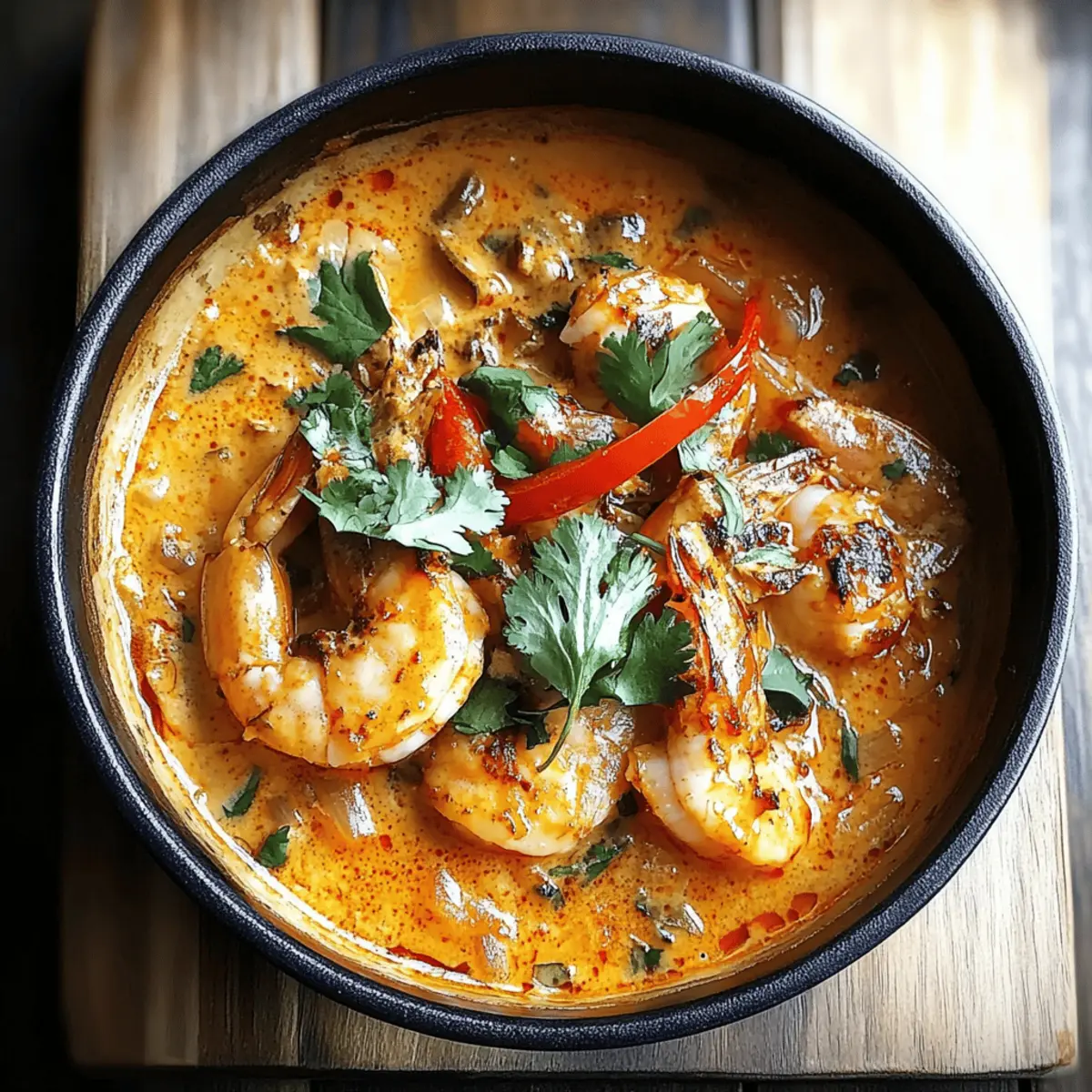
Why is this curry so irresistible?
Simplicity at its best: This Thai Coconut Shrimp Curry is a breeze to prepare, taking just 30 minutes to create a mouthwatering dish that feels like a restaurant quality experience.
Bold flavors abound: The combination of coconut milk, Thai red curry paste, and fresh herbs brings a depth of flavor that will tantalize your taste buds and awaken your senses.
Health-conscious choice: Packed with protein and fiber, this curry is a nutritious option, making it perfect for those who want to indulge without guilt.
Crowd-pleaser: Whether you're serving family or entertaining guests, this dish is bound to impress everyone around the table, making it a surefire hit for any occasion.
Versatile option: Serve it over jasmine rice, or if you’re feeling adventurous, try it with quinoa or even zucchini noodles for a unique twist!
Thai Coconut Shrimp Curry Ingredients
Unlock the secret to deliciousness!
For the Shrimp Marinade
- Shrimp – 1 pound peeled and deveined for the perfect protein base.
- Low sodium soy sauce – 2 tablespoons enhances the umami without excess salt.
- Red pepper flakes – 1 teaspoon adds just the right kick to your dish.
- Garlic powder – 1 teaspoon contributes an aromatic depth to the flavors.
- White pepper – 1 teaspoon provides a mild heat and earthy taste.
For the Curry
- Vegetable oil – 2 tablespoons for sautéing at a high temperature.
- Unsalted butter – 2 tablespoons adds richness to the curry.
- Bell pepper – 1 cup chopped brings a colorful crunch and sweetness.
- Garlic – 2 cloves, freshly grated for a burst of flavor.
- Fresh ginger – 1 tablespoon grated, giving a zesty zing.
- Shallot – 1 medium, chopped for a delicate onion flavor.
- Chicken broth – 1 cup helps to create a luscious sauce.
- Thai red curry paste – 2 tablespoons is essential for authentic taste.
- Brown sugar – 1 tablespoon balances the flavors beautifully.
- Coconut milk – 1 can creates that signature creamy texture and tropical vibe.
- Lime juice – 1 tablespoon adds a refreshing tartness.
- Sriracha – 1 teaspoon (optional) for those who like extra heat.
- Thai basil – 1 cup offers a fragrant, herbal finish.
For Toppings
- Scallions – finely chopped for a fresh crunch.
- Fried onions – to add texture and sweetness on top.
- Cilantro – for a bright, herbaceous note that complements the curry.
- Chili pepper – sliced, for an extra dash of spicy flair.
Get ready to dive into the world of Thai Coconut Shrimp Curry that combines warmth, flavor, and comfort in every bite!
Step‑by‑Step Instructions for Thai Coconut Shrimp Curry
Step 1: Marinate the Shrimp
In a medium bowl, combine the peeled and deveined shrimp with low sodium soy sauce, red pepper flakes, garlic powder, and white pepper. Stir well to ensure the shrimp are evenly coated, then let them marinate for about 10 minutes. This step not only infuses flavor but also prepares them for a delightful sear later.
Step 2: Prepare the Aromatics
While the shrimp marinates, grate the ginger and garlic, chop the shallots, and slice the bell pepper into bite-sized pieces. Gather all your ingredients within reach, as this will streamline the cooking process. This aromatic trio will elevate your Thai Coconut Shrimp Curry and create a fragrant base for the dish.
Step 3: Sear the Shrimp
Heat a large skillet over high heat and add 2 tablespoons of vegetable oil along with 2 tablespoons of unsalted butter. Once the butter is melted and bubbling, add the marinated shrimp to the skillet. Sear for about 1 minute on each side, or until they turn vibrant pink. Once seared, remove them from the skillet and set aside while you prepare the sauce.
Step 4: Sauté the Vegetables
In the same skillet, reduce the heat to medium and add the chopped bell pepper. Sauté for about 5 minutes, stirring occasionally until it begins to soften. Then, add the grated garlic, ginger, and chopped shallot, cooking for an additional 2 minutes. The mixture should become fragrant, creating a delightful aroma for your Thai Coconut Shrimp Curry.
Step 5: Deglaze the Skillet
Pour in 1 cup of chicken broth, using a wooden spoon to scrape up any flavorful bits stuck to the bottom of the skillet—this is where all the flavor is! Allow the broth to simmer for about 2 minutes, letting it meld with the sautéed vegetables and infuse the curry with depth.
Step 6: Incorporate the Curry Base
Stir in 2 tablespoons of Thai red curry paste, 1 tablespoon of brown sugar, and any remaining seasonings like turmeric and white pepper. Cook for about 1 minute until the paste dissolves and the mixture is well-integrated, creating a colorful and aromatic curry base for your dish.
Step 7: Add Coconut Milk
Slowly pour in a can of coconut milk, stirring gently to combine. Increase the heat slightly to bring the mixture to a gentle boil, then lower the heat and let it simmer for about 5 minutes. As it thickens, the sauce will develop a rich, creamy texture that’s quintessential to Thai Coconut Shrimp Curry.
Step 8: Final Touches
Add the lime juice, and sriracha if desired, along with the reserved shrimp back into the skillet. Stir in a cup of Thai basil and heat everything through for about 2 minutes until the shrimp are warmed and coated in the luscious sauce. The aromatic herbs will brighten the dish, making it irresistible.
Step 9: Serve and Enjoy
Serve your Thai Coconut Shrimp Curry hot over a bed of steamed jasmine rice. Top generously with fresh cilantro, crispy fried onions, and sliced chili pepper for a textural contrast. This vibrant dish brings the essence of Thailand to your table, and your family will surely love every comforting bite!
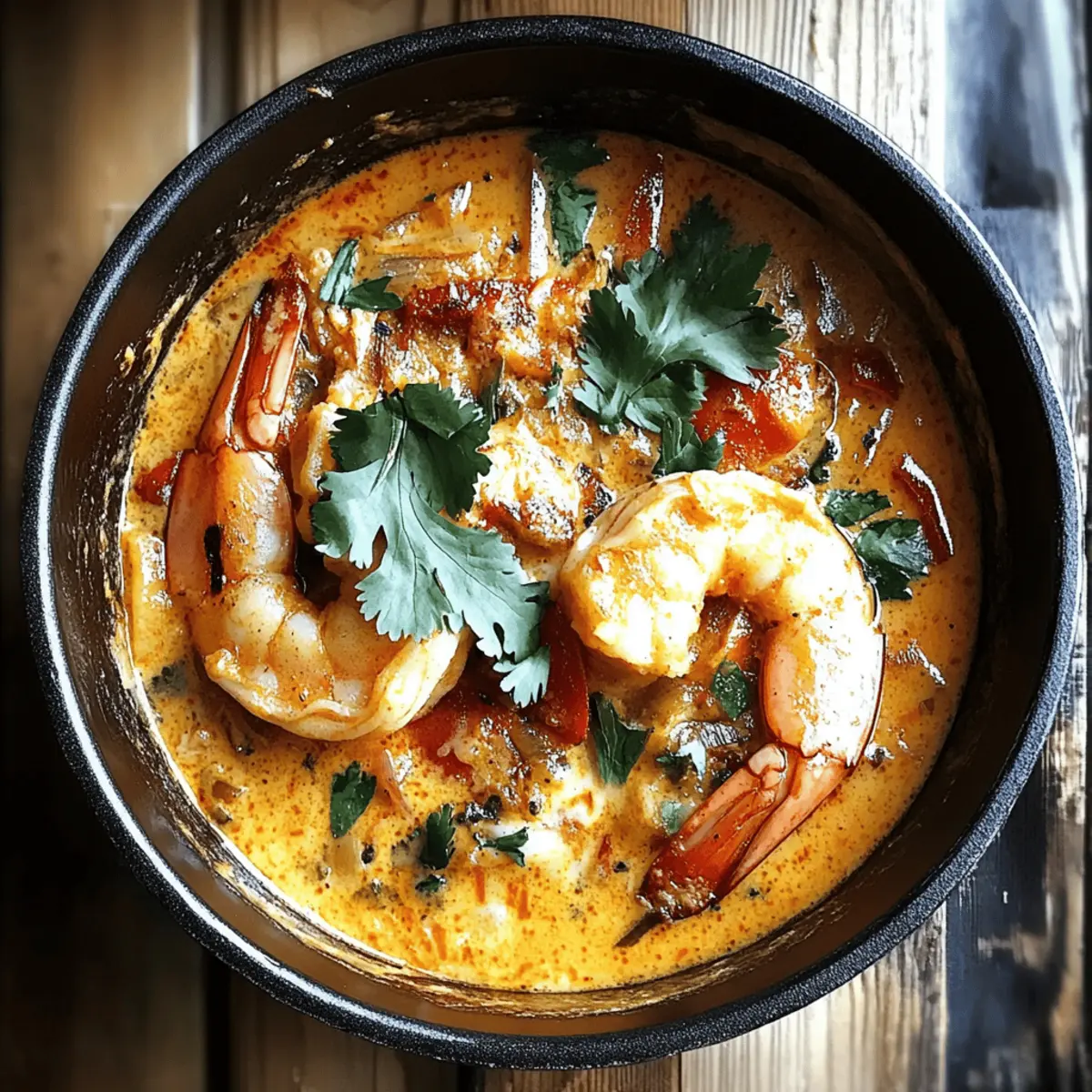
What to Serve with Thai Coconut Shrimp Curry
Elevate your dining experience with sides that perfectly complement the creamy, aromatic allure of this vibrant dish.
-
Steamed Jasmine Rice: A fluffy base that soaks up the rich curry sauce, enhancing each flavorful bite. It's a classic pairing that never disappoints.
-
Mango Salad: Fresh, sweet, and tangy, it's a refreshing contrast that balances the creamy richness of the curry and adds a burst of color to your plate.
-
Thai Pineapple Fried Rice: This fragrant rice dish brings in tropical sweetness and crunch, making it a delightful companion for the shrimp curry's bold flavors.
-
Cucumber Relish: A cool, crunchy side that provides a refreshing bite and helps cut through the richness, making your meal balanced and satisfying.
-
Spring Rolls: Crispy and filled with fresh veggies, these bites add a satisfying crunch while offering a light and flavorful complement to the dish.
-
Chilled Coconut Water: Hydrating and subtly sweet, this drink mirrors the flavors in the curry while refreshing your palate throughout the meal.
-
Lime Sorbet: For dessert, this light and zesty treat cleanses your palate, leaving a cheerful, bright finish to your dining experience.
How to Store and Freeze Thai Coconut Shrimp Curry
Fridge: Store leftover Thai Coconut Shrimp Curry in an airtight container in the fridge for up to 3 days. This ensures the flavors stay fresh and ready for another delicious meal.
Freezer: Allow the curry to cool completely before transferring it to a freezer-safe container. It can be frozen for up to 3 months. For best results, leave some space for expansion.
Reheating: To reheat, thaw overnight in the fridge and gently warm on the stove over medium heat, adding a splash of coconut milk for creaminess if needed.
Serve Fresh: It's best to consume the shrimp fresh, as freezing may alter their texture. Enjoy the vibrant flavors of your Thai Coconut Shrimp Curry at their peak!
Make Ahead Options
These delightful Thai Coconut Shrimp Curry preparations are perfect for busy weeknights! You can marinate the shrimp with low sodium soy sauce, red pepper flakes, garlic powder, and white pepper up to 24 hours in advance—just be sure to refrigerate them. Additionally, you can chop the bell pepper, ginger, garlic, and shallots, storing them in an airtight container for up to 3 days. This not only saves time but also keeps the flavors fresh and vibrant. When you're ready to enjoy your curry, simply sauté the prepped vegetables, follow through the cooking steps, and add the shrimp to heat through. This way, you’ll have a restaurant-quality Thai Coconut Shrimp Curry with minimal effort and fuss!
Expert Tips for Thai Coconut Shrimp Curry
-
Perfect Shrimp Texture: Avoid overcooking your shrimp by searing them just until they're pink and slightly opaque. This ensures they remain tender and juicy in your Thai Coconut Shrimp Curry.
-
Balanced Flavor: Taste and adjust! If your curry is too spicy, a touch more coconut milk can help. If it’s too mild, add a pinch of salt or more curry paste.
-
Fresh Ingredients: Use fresh ginger and garlic for the best flavor; they can truly elevate your dish. Pre-minced options lack the depth that makes authentic Thai cuisine shine.
-
Heat Control: If you prefer a milder curry, start with fewer red pepper flakes and add extra sriracha to control the heat later.
-
Perfectly Paired Rice: Serve your curry over fluffy jasmine rice to soak up all the delicious sauce—a must for the full experience of your Thai Coconut Shrimp Curry!
Thai Coconut Shrimp Curry Variations
Feel free to play around with this recipe and make it your own—it’s a canvas for culinary creativity!
- Gluten-Free: Swap low sodium soy sauce for tamari or coconut aminos to avoid gluten while keeping the flavor intact.
- Vegetarian Delight: Replace shrimp with firm tofu or chickpeas for a hearty, protein-packed version that delights. Tofu absorbs all the marvelous flavors, making it an excellent substitute that everyone will enjoy.
- Coconut-Free Option: Use almond or oat milk instead of coconut milk for a lighter, non-coconut version that still delivers creaminess.
- Add More Veggies: Toss in additional vegetables like snap peas, broccoli, or carrots for added crunch and nutrition. This twist not only enhances the dish's colors, but it also packs in more vitamins!
- Spicy Adventure: Amp up the heat by increasing red pepper flakes or adding finely chopped Thai bird chilies for a fiery kick. Just a little can turn the flavor up a notch, tantalizing heat lovers everywhere.
- Flavor Boost with Lemongrass: Add bruised lemongrass to the broth while simmering for an aromatic twist that adds depth. This fragrant herb transforms your curry into something unforgettable.
- Heartier Option: Serve over quinoa or cauliflower rice instead of jasmine rice for a low-carb or protein-rich alternative. Experimenting with these textures can lead to delightful new flavor profiles!
- Citrus Twist: Add a splash of orange juice for a fruity zing that brightens up the entire dish while complementing the lime. This variation creates a refreshing contrast that will surprise and delight your taste buds.
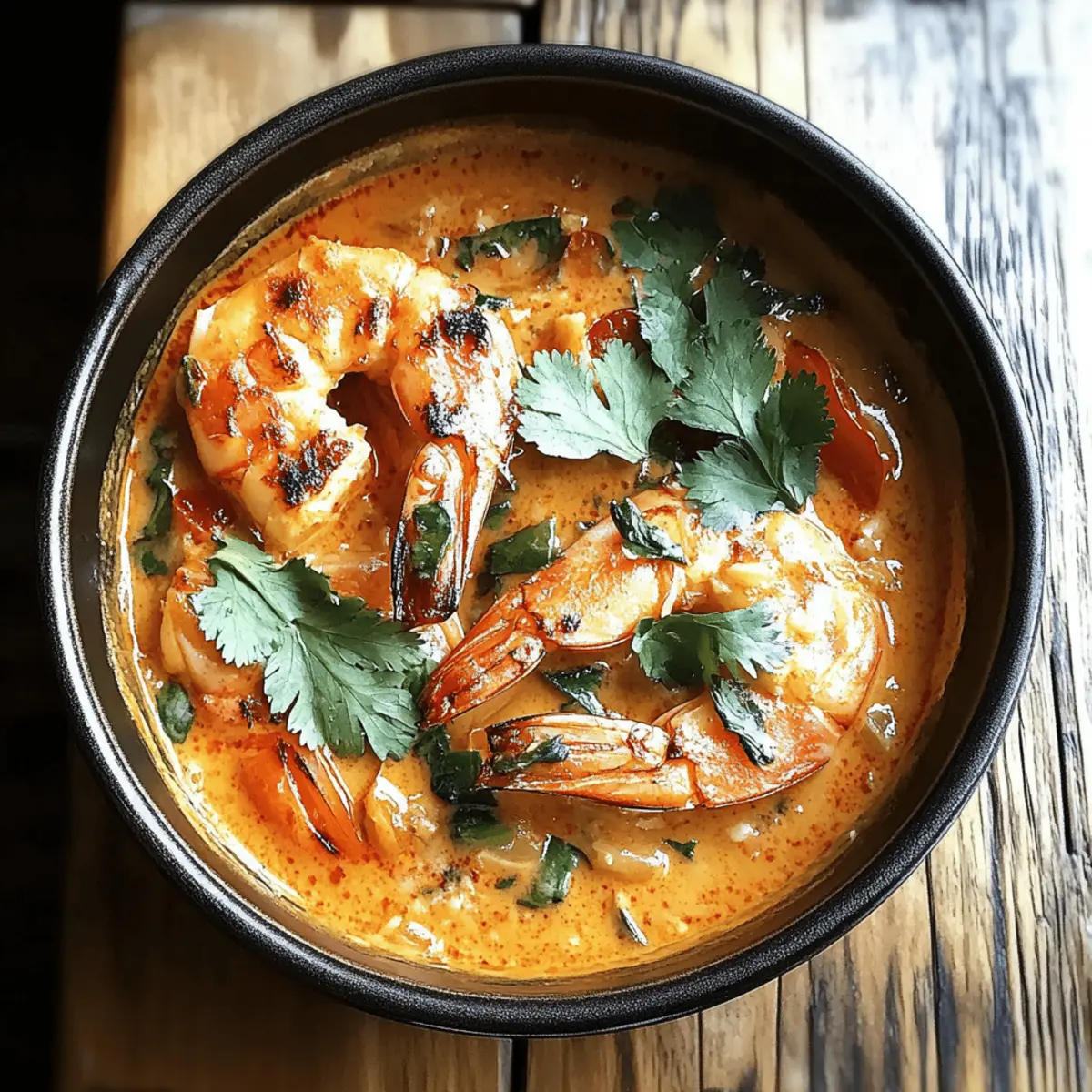
Thai Coconut Shrimp Curry Recipe FAQs
How do I choose the best shrimp for this recipe?
Absolutely! Look for wild-caught or sustainably farmed shrimp if possible. They should be a bright pink with a firm texture and should not smell overly fishy. Avoid shrimp that have dark spots or a slimy appearance.
How long can I store leftover Thai Coconut Shrimp Curry in the fridge?
You can keep your leftover Thai Coconut Shrimp Curry in an airtight container in the fridge for up to 3 days. This way, you can enjoy the leftover goodness without compromising flavor.
Can I freeze Thai Coconut Shrimp Curry?
Of course! To freeze, let your curry cool completely, then transfer it into a freezer-safe container. It can be frozen for up to 3 months. Just be sure to leave space for expansion since sauces can thicken when frozen.
What’s the best way to reheat the curry after freezing?
To reheat your frozen Thai Coconut Shrimp Curry, thaw it overnight in the refrigerator. Then, gently warm it in a saucepan over medium heat. I recommend adding a splash of coconut milk to bring back its creamy consistency while warming.
Can this recipe be made gluten-free?
Very! Simply substitute the low sodium soy sauce with a gluten-free tamari sauce. It's a straightforward swap that maintains the umami flavor while accommodating those with gluten sensitivities.
Can I modify the recipe for dietary preferences?
Absolutely! If you're looking to make it vegetarian, you can replace the shrimp with cubed tofu and use vegetable broth instead of chicken broth. This still creates a deliciously satisfying dish that's full of flavor and texture!
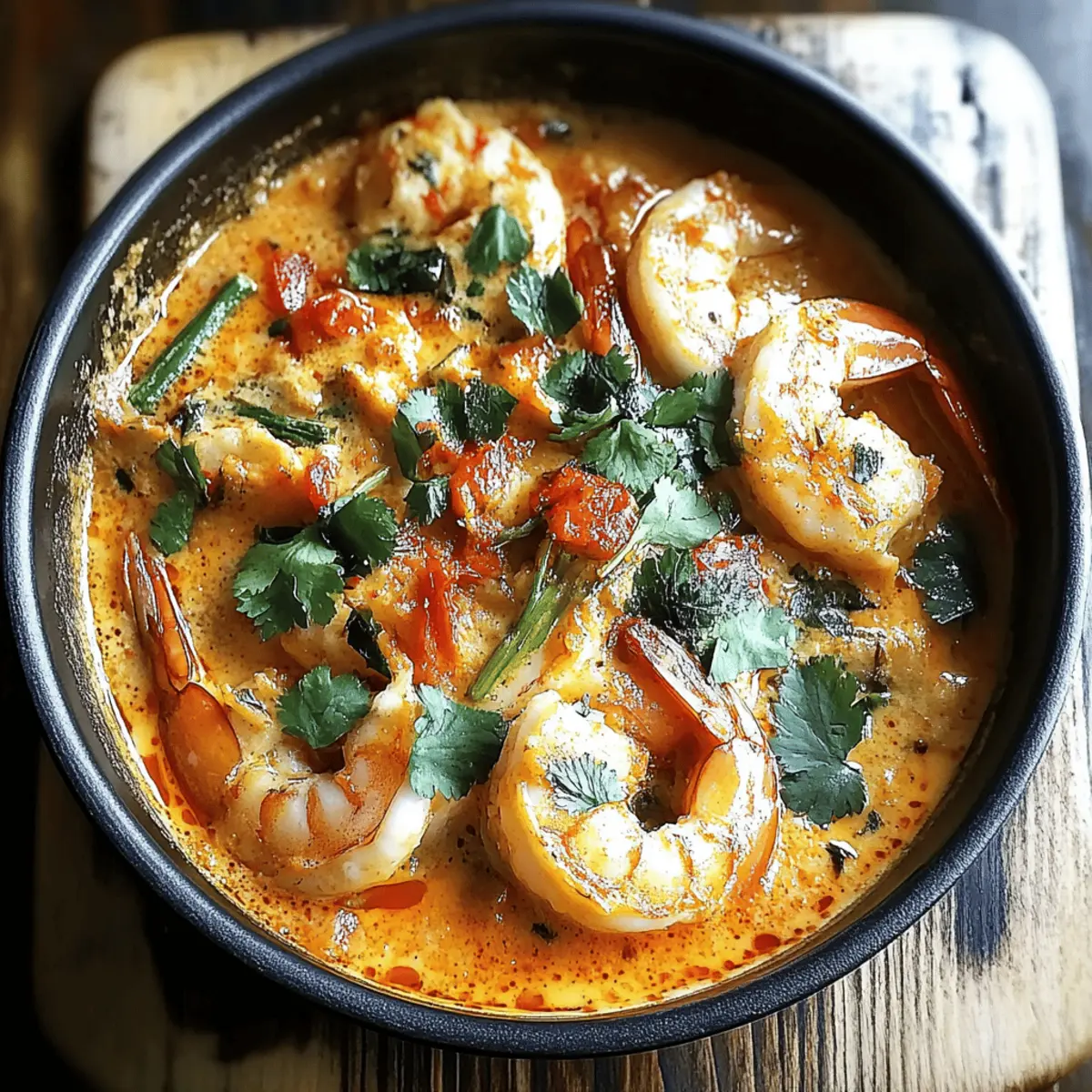
Irresistibly Easy Thai Coconut Shrimp Curry Recipe
Ingredients
Equipment
Method
- In a medium bowl, combine the peeled and deveined shrimp with low sodium soy sauce, red pepper flakes, garlic powder, and white pepper. Stir well to ensure the shrimp are evenly coated, then let them marinate for about 10 minutes.
- While the shrimp marinates, grate the ginger and garlic, chop the shallots, and slice the bell pepper into bite-sized pieces.
- Heat a large skillet over high heat and add 2 tablespoons of vegetable oil along with 2 tablespoons of unsalted butter. Once melted, add the marinated shrimp to the skillet. Sear for about 1 minute on each side until vibrant pink. Remove and set aside.
- In the same skillet, reduce the heat to medium and add the chopped bell pepper. Sauté for about 5 minutes until it begins to soften. Then, add the grated garlic, ginger, and chopped shallot, cooking for an additional 2 minutes.
- Pour in 1 cup of chicken broth, using a wooden spoon to scrape up any flavorful bits stuck to the bottom. Allow to simmer for about 2 minutes.
- Stir in 2 tablespoons of Thai red curry paste, 1 tablespoon of brown sugar, and mix well. Cook for about 1 minute until the paste dissolves.
- Slowly pour in a can of coconut milk, stirring gently to combine. Bring the mixture to a gentle boil, then lower the heat and let it simmer for about 5 minutes.
- Add the lime juice and sriracha if desired, along with the reserved shrimp back into the skillet. Stir in a cup of Thai basil and heat through for about 2 minutes.
- Serve hot over steamed jasmine rice and top with fresh cilantro, crispy fried onions, and sliced chili pepper.



Leave a Reply